WARC—What Is It Good For?
For many amateurs, the WARC bands—30 meters (10.100-10.150 MHz), 17 meters (18.068-18.168 MHz), and 12 meters (24.890-24.990 MHz)—are like that quiet fishing spot by the lake you hesitate to tell […]


 An Amateur Radio Blog by DX Engineering
For many amateurs, the WARC bands—30 meters (10.100-10.150 MHz), 17 meters (18.068-18.168 MHz), and 12 meters (24.890-24.990 MHz)—are like that quiet fishing spot by the lake you hesitate to tell […]
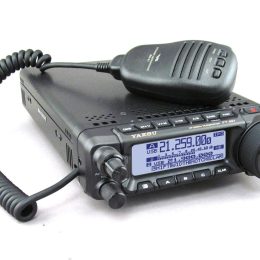
As we head into the winter months here in Ohio, I would typically put away my “POTA Hat.” I have always said I am a fair-weather POTA operator. I like […]
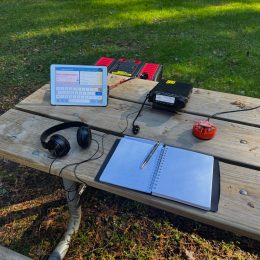
I love activating parks, but even more, I enjoy finding new parks to activate. Picking a park and researching a good operating location is all part of the fun. From […]
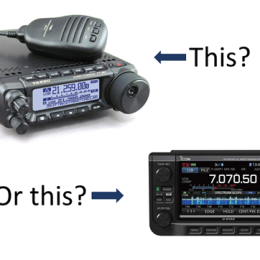
If you spend any time hunting Parks on the Air® (POTA) stations or scrolling through activation reports, you’ll notice two very different approaches: the “turn it up to 100 watts […]
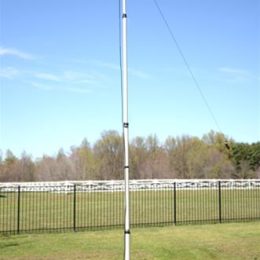
For years I was in search of the “perfect antenna.” I wanted one antenna so I could work the most remote DX as well as nearby county nets. Knowing the […]
We aren’t getting any younger—according to the ARRL, the average age of ham members is 68. It’s likely many of us are retired and will eventually consider downsizing. This might […]
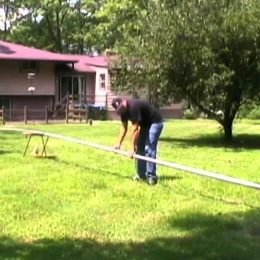
Amateur radio has always been a hobby for all ages, from curious teenagers building their first radio kit to retirees chatting across continents. However, as we age, we may find […]
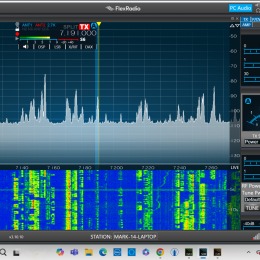
For hams who travel frequently, there are opportunities to operate while away from home. A few years ago, I spent nine days in the Pacific Northwest on a river cruise, […]
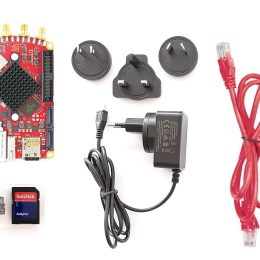
I love sitting around with some seasoned hams listening to them talk about “back in my day.” It truly makes me realize how convenient the hobby is today. In the […]
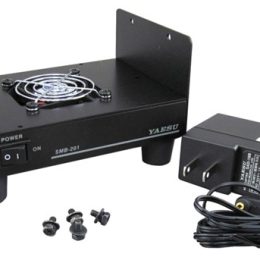
Every ham operator knows that heat is the silent enemy lurking behind every transmission. Whether you’re rag-chewing on 80 meters, running digital modes on FT8, or calling CQ in a […]
