


Amateur radio has always been a hobby for all ages, from curious teenagers building their first radio kit to retirees chatting across continents. However, as we age, we may find that some aspects of operating become more challenging than they used to be. Fortunately, modern technology and a few clever adaptations can make the hobby just as enjoyable, comfortable, and accessible as ever.
Whether you’re dealing with reduced hearing, eyesight, dexterity, or mobility, there are plenty of accommodations and tools to keep you on the air and having fun.
Your Shack
The first step in creating a senior-friendly operating environment is comfort and accessibility. Adequate lighting is often overlooked. A bright but soft LED desk lamp makes reading dials, labels, and operating notes easier. Keeping a flashlight handy doesn’t hurt either.
Many operators find it helpful to rethink their shack layout. Place your radio equipment on a sturdy desk or table that requires minimal bending or reaching, keeping your gear in front of you. A simple riser shelf can keep controls and displays at eye-level.
Select a chair with adjustable height, armrests, and lumbar support to reduce back strain. If needed, use a footrest to ensure your feet are flat on the floor to help relieve back and leg discomfort. Long contesting sessions will go much more smoothly.
Keeping wiring within easy reach is essential when you need to run grounds, power cables, and antenna lines to your operating table. Moving desks or crawling under them isn’t always easy, so consider using furniture sliders. Cable trays or runways attached to the desk can also provide easier access. Label connections with ID tags so you don’t have to play follow-the-wire under the desk and around the room.
If mobility is an issue, you can also consider remote operation setups. With modern transceivers and software such as RemoteHams, FlexRadio SmartLink, or Icom’s RS-BA1, you can operate your station from a laptop or tablet anywhere in your residence—or even across the world.
Making Connections
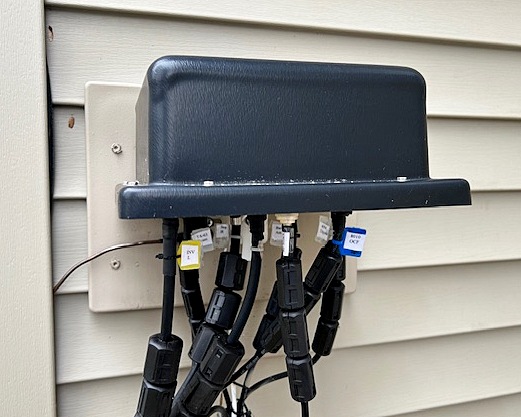
Don’t forget your outdoor infrastructure. Make as many items as you can easy to reach so they can be switched, repaired, tuned, or tightened. For example, all my antennas now run to an outside remote switch box about four feet off the ground, with a single line and a spare running to my shack. There’s no need to run multiple cables through attics, windows, or walls, especially if you add a new antenna.
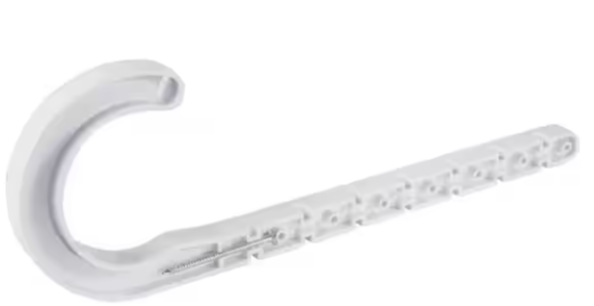
Ropes and pulleys are your friend, especially when working with wire antennas such as dipoles, end-feds, and inverted-Ls. Make sure the pulleys don’t have significant gaps between the wheel and frame to avoid jammed ropes. A lightweight telescoping fiberglass pole with a hook on the end is an excellent device for keeping you on the ground while maneuvering wires.
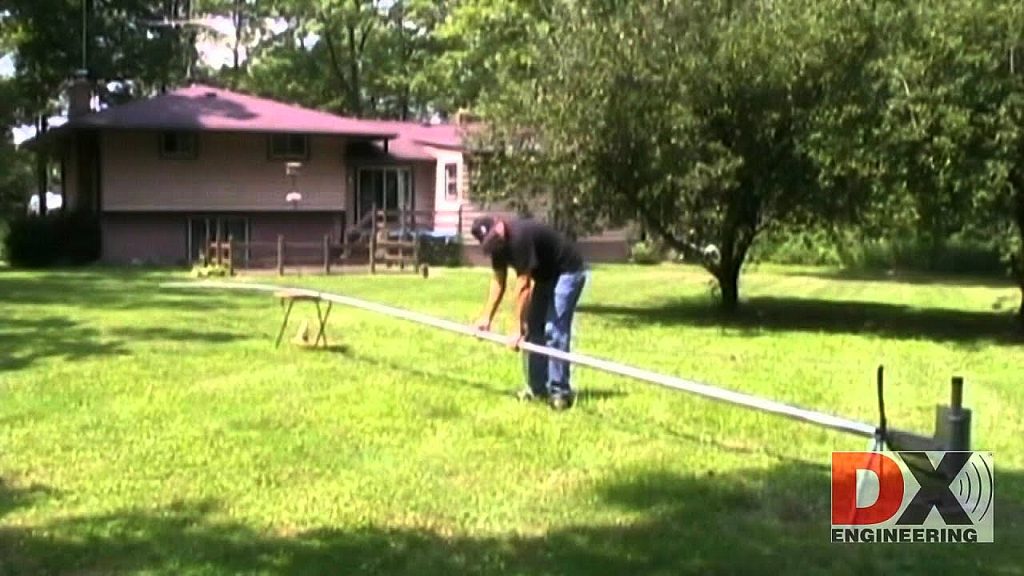
Vertical antennas are usually the most accessible, especially if they’re attached to a tilt mechanism. Having a second person help with installation or repairs is recommended, especially if the antenna is long and heavy.
Freestanding towers are tricky and potentially dangerous. It’s best to leave any antenna additions or repairs to experienced tower climbers. Telescoping masts/tilt-overs could be an option—again, consult a professional for advice.
Sight, Hearing & Dexterity
Many classic rigs were built like tanks, but they often came with tiny dials and dim displays that can challenge aging eyes. Clip-on magnifiers or even a small desktop magnifying lamp can help when reading fine print on older gear.
Today’s radios, however, are much more vision-friendly. Many modern transceivers, such as the Icom IC-7300 or Yaesu FTDX10, feature bright, high-resolution screens with larger text and spectrum scopes that make signal hunting easier. You can connect your rig to a computer or external monitor to display large, colorful versions of your radio’s displays that are far easier to read than some small built-in displays or meters.
For logging and digital modes, you can increase font sizes in software such as Ham Radio Deluxe, WSJT-X, or N1MM Logger. Windows also offers ways to increase resolution or text size on your monitor. Customizing color schemes with high-contrast backgrounds also helps readability. Magnifiers and reading glasses are a significant help when viewing traditional hard-copy print, circuits, or components.
Hearing loss is one of the most common challenges among older operators, but it doesn’t have to end your enjoyment of HF or VHF contacts. High-quality over-ear headphones can isolate background noise and make signals much clearer. Look for headphones with adjustable volume controls and consider using equalizer controls on your radio to improve intelligibility.
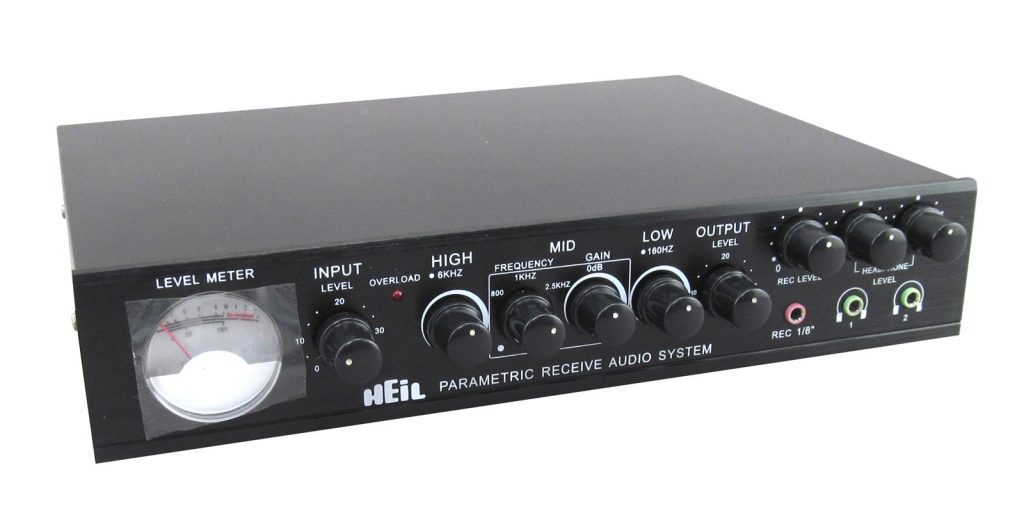
Digital Signal Processing (DSP) and audio filtering on modern rigs include features that can filter out noise and enhance weak voices. Functions like NR (Noise Reduction), NB (Noise Blanker), and IF Shift can make a world of difference. Powered external speakers with tone controls let you fine-tune the sound to your hearing range. There are also devices like the Heil Sound PRAS-EQ Parametric Receive Audio System Equalizer (below) or the MFJ-616/618 Speech Enhancer (discontinued but available used) which can enhance the intelligibility of voices.
If you use hearing aids, experiment with coupling methods. Some operators find Bluetooth-enabled hearing aids pair well with digital radios or computer audio outputs.
Your body doesn’t always function as it once did. Fine motor skills can decline with age or conditions such as arthritis, but there are simple accommodations that make operating easier. Many radios offer optional knob extenders or larger tuning dials as an upgrade. They provide better grip and finer control.
While touchscreens are convenient, they may not be ideal for everyone. External keypads or programmable control boxes can replace on-screen buttons. Software like VoiceKeyer or even simple macros can handle repetitive tasks, such as calling CQ or logging contacts, without requiring constant keyboard use. Programmable memory channels can easily put you right on frequency.
If your CW speed has slowed, computer-assisted keying or memory keyers can help improve it. Programs such as Fldigi or CWGet can translate code in real time. Some newer radios and devices like SotaBeams’ WOLFWAVE Advanced Audio Processor can decode Morse code. However, their effectiveness varies depending on signal quality, noise, and the operator’s skill. They are best at decoding computer-generated signals.
Cognitive & Social Support
Ham radio is not only fun—it’s great mental exercise. But as focus and memory can change with age, a few tools can help. Simplify your logging—use intuitive logging software that automatically fills in details such as frequencies and timestamps. The fewer manual entries, the better.
You can program your transceiver or computer software to announce frequencies or bands aloud, helping you confirm your location on the airwaves. Simple laminated checklists for startup, tuning, or shutdown routines can help avoid the frustration of searching manuals and keep the hobby a relaxing experience.
And let’s not forget social connection. Ham radio offers an incredible community network. Joining a local club net or senior operators’ roundtable can keep the brain active and spirits high. Many older hams say the friendships and regular QSOs do as much for their well-being as the hobby itself.
Remote & Assisted Operation
For seniors with limited mobility or those residing in assisted-living facilities, remote stations are game changers. Many clubs and organizations now host remote-access stations that licensed operators can control online.
You can log in from a tablet, adjust the antenna, change bands, and transmit from anywhere with an internet connection. Combine that with digital modes like FT8 or PSK31 and you can work the world from the comfort of your own armchair. Hotspots and digital VHF/UHF radios can extend your reach from local repeaters to worldwide operations.
Embracing Technology
It’s easy to feel intimidated by new software or digital interfaces, yet many of these tools were designed with accessibility in mind. Embrace the technology—or better yet, ask for help from a local Elmer or club member. The ham community is known for being generous with its time, and many younger operators can help senior hams modernize their setups.
Ham radio is a lifelong hobby, one that grows, adapts, and evolves—just like its operators. With the right accommodations, seniors can continue to enjoy DXing, contesting, or just chatting on the local repeater without strain or frustration.
The airwaves are for everyone, and no matter your age or ability, there’s always room to call CQ. With modern accessibility tools and a few simple shack adjustments, the magic of amateur radio can remain a source of joy and discovery.

