The Path to 488: The GridMaster Award for Satellite Operators
Those new to satellite operating are generally thrilled when they finally talk to another person through an object orbiting in space. As the number of contacts starts to grow, many […]


 An Amateur Radio Blog by DX Engineering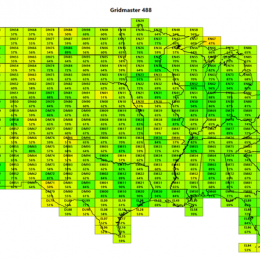
Those new to satellite operating are generally thrilled when they finally talk to another person through an object orbiting in space. As the number of contacts starts to grow, many […]
You’ve gone to great lengths to make sure your antenna is cut for the proper frequency using the 468/MHz formula. You’ve measured twice and cut once, yet the SWR readings […]
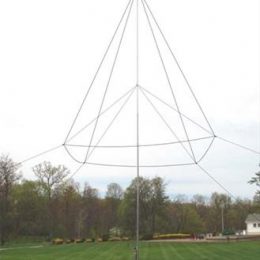
There are very good reasons why you should use the 160 and 80 meter bands. They are usually the least likely to fail under adverse propagation conditions. In times of […]

Yes, you can take it with you. Today’s smaller transceivers and accessories allow you to operate from anywhere, whether it’s a cabin at the lake, a weekend at Uncle Joe’s, […]
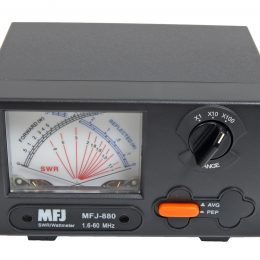
Got Meter? Choosing the Right WattmeterRF inline power meters, or wattmeters, are used by many hams to measure the power flowing from the transceiver to the antenna–and also in the […]
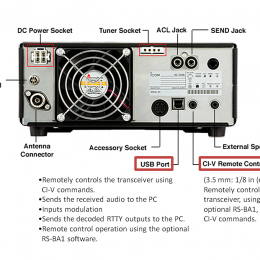
CI-V stands for Computer Interface V (V representing the Roman numeral for 5 ). This is Icom’s name for its rig interface to a computer or to another rig. Other […]
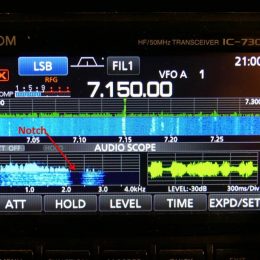
There will always be some kind of ambient noise on the HF bands. It may be either man-made (QRM) such as pulse noises from vehicle ignitions or natural (QRN) like […]
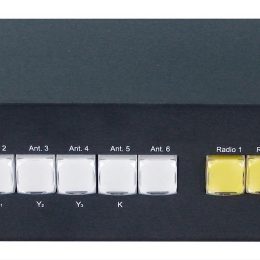
When it comes to ham radio, one radio is never enough. The same thing goes for antennas–multiple bands usually mean multiple antennas. Soon, you’ve got a maze of coax connections […]
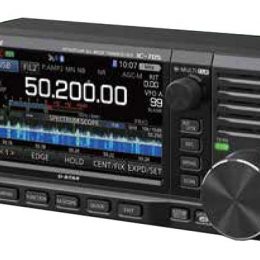
Now that summer is here and the pandemic is winding down, grab some radio gear and head outdoors. It’s the season for portable operations and finally getting out of couch-potato […]
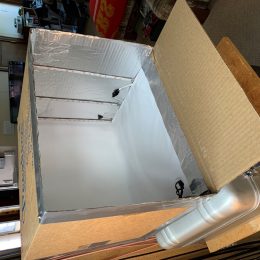
I enjoy sharing my experiences and projects by writing articles for several different amateur radio periodicals. All of the pictures used for my articles recently have been taken with my […]
