

“You’ve just earned your Technician license! Now what?” It’s one of the most frequently asked questions in the amateur radio world. Fortunately, there are myriad answers to this question, from “Start studying for your General!” to “Learn CW!” and plenty of other options in between.
When I got my Technician license, (technically speaking, when I received my “callsign”), I started by getting on the local repeater and making a contact with my Elmer. Despite having planned the contact and what I would say, as well as having written out the phonetics of my callsign, I was still incredibly nervous. Being nervous for your first contact is a typical challenge to overcome, but it’s definitely worth getting over this hurdle.
After this planned contact, I made it my goal to get over my mic fright by using the local repeater as often as possible and talking to other amateur radio operators in my area. I spent most evenings with my handheld transceiver (HT) sitting next to me as I did homework in the hopes that someone would be on the local repeater, but most of the time this didn’t materialize. I also found out when the weekly net was held and frequently checked into it as a way to get to know hams in the local clubs.
This was enough entertainment for a while, but I soon realized there typically was very little regular traffic on my local repeater aside from the weekly net held by the club. I downloaded the EchoLink app and began to experiment with the repeaters that I could access there. EchoLink opened up, quite literally, a world of possibilities for me, as I could suddenly talk to people on repeaters in nearly every corner of the world using only my cell phone (at the time, my parent’s cell phone, as I was still too young to have my own).
A few months later, I became a regular participant on the Young Amateurs Communications Ham Team (YACHT) youth net which met every Tuesday and Saturday evening. The net now meets more frequently, which is helpful if you’re managing schoolwork and extracurricular activities.
Circling back to the infamous “Now what?” question, I also began studying for my General soon after achieving my Tech license because I wanted to have access to as many bands and modes as possible. I also ended up learning CW, though that came approximately a year after I passed my Technician exam. Over time, it has become my favorite mode.
My best advice for those with new Technician licenses is to simply get on the air. This can be more challenging than it initially seems. Making your first contact can be quite a nerve-wracking experience, but I can confidently say that getting on the air gets significantly easier with time and plenty of practice.
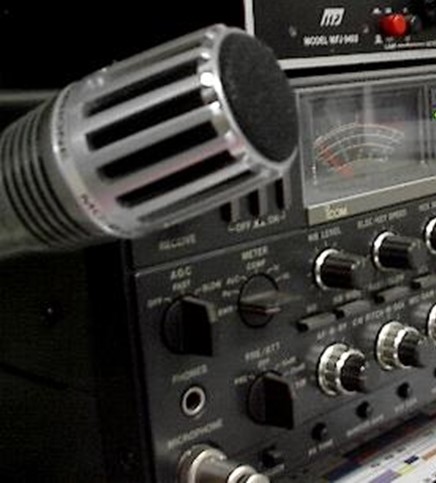
There are, however, a few tips that helped me become more comfortable with getting on the air and making my first contact:
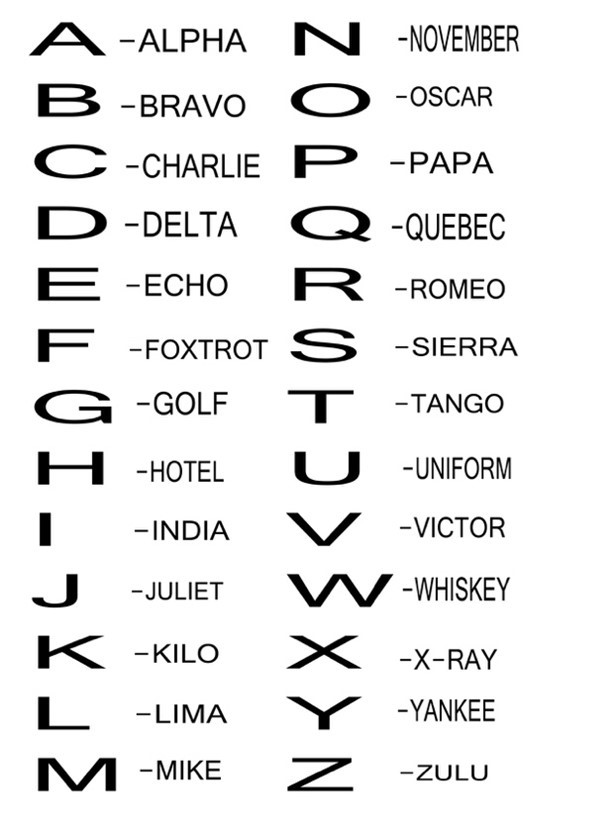
- Practice saying your callsign out loud a few times using the NATO phonetic alphabet. It can be challenging to remember all of the alphabet at first, but it comes quickly with practice.
- Familiarize yourself with common amateur radio jargon and abbreviations. This helps build your confidence when talking on the air. Like the phonetic alphabet, you’ll learn lots of these terms with practice, particularly those that are not as well known. There are plenty that you can learn from reading a list of them online.
- Before making your first contact, write down what you’re planning to say. After the first few contacts, though, this becomes a crutch, and you should try making contacts without preplanning what you’re going to say. This will allow you to move into rag-chewing—having longer conversations with more than your basic signal report, name, location, and maybe weather report.
Regardless of whether it feels exciting or nerve-wracking at first, the more you get on the air and practice, the easier it becomes. Eventually, you’ll be able to get on the air and make contacts without even thinking about it.
Editor’s Note: Also read these OnAllBands articles on getting the most out of your Technician license:

