

It’s no secret that the majority of amateur radio operators fall into one demographic category. This fact prompts questions that fill the forum halls of hamfests and often get asked of the young people who are stepping into the world of amateur radio:
How do we get young people interested in the hobby? How do we KEEP young people in the hobby?
But somehow, a gap between the different generations of amateur radio operators continues to exist. This generational divide occurs in more settings than just amateur radio. At school, I’ve noticed that most of my peers communicate with older generations very poorly and are not comfortable doing so. Some struggle to send emails or even ask a question during class, so the fact that this divide continues into the amateur radio world is no surprise. Fortunately, amateur radio has proven to function as a bridge between generations, so it’s certainly possible that we can overcome the generational divide that seems to dominate the hobby right now.
But how do we do that?
For starters, being in amateur radio as a young person puts one in the perfect situation to practice connecting with other generations. Nearly everyone in the hobby has plenty of patience for young operators and is willing and excited to talk to younger enthusiasts. Plus, amateur radio makes it easy to find talking points since both parties already have something in common. Simply getting on the air and rag-chewing with other hams is the perfect start to bridging the gap between the different generations of amateur radio participants.
In a club setting, implementing a mentorship program between older and younger members can help newly licensed young hams find mentors and other resources to propel them further in the hobby. Programs of this sort give older hams an opportunity to mentor the younger hams and share the knowledge they’ve attained through years of experience, while simultaneously allowing the younger hams to share their knowledge on potentially more modern aspects of amateur radio. This offers an opportunity for both generations to learn from each other.
This is an important part of successfully bridging this gap, but it does take effort from both sides. Older hams may be stereotyped as being unopen to new aspects of amateur radio, declaring that everything from digital modes to SDR (software defined radio) is “not real amateur radio” and is ruining the hobby. On the flip side, young hams may be stereotyped as believing the older generation only operates CW with old-fashioned radios. Young people must be open to learning from older hams, and older hams need to be open to learning from younger operators.
Once we do this—and push aside these stereotypes—we can start to bridge the generational gaps that exist in amateur radio and become one cohesive community.
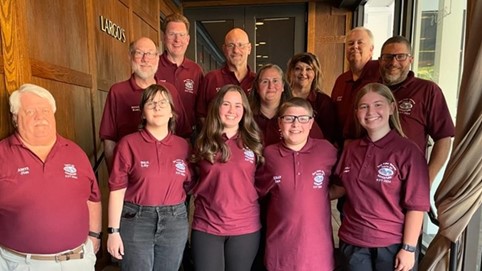
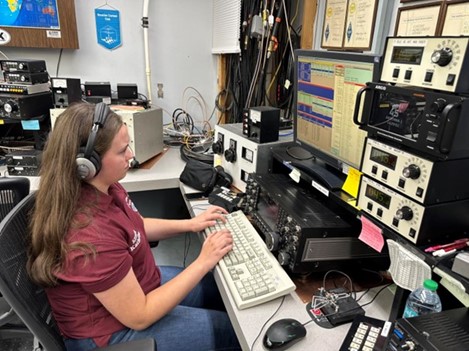
By nature, amateur radio bridges the gaps that exist between its enthusiasts, whether these gaps are cultural, linguistic, generational, or otherwise. From the first time I got on the air to now, amateur radio has helped me learn to interact and communicate more effectively with older generations (as well as my own) and has helped me become more open to learning from everyone around me. It has taught me that everyone has something to bring to the table regardless of their age, culture, or any other similarity or difference. It has shown me that there is no difference large enough between people or cultures that it should cause a divide.

