

Many young people seem to be under the impression that amateur radio is in some way a replacement for a cell phone, or at least that’s how they believe amateur radio operators use it.
In reality, this couldn’t be further from the truth. Yes, amateur radio can be a “when all else fails” method of communication (and has been on numerous occasions), but it’s not exactly the cell phone replacement that many young people imagine it to be. In fact, amateur radio is complemented quite well by the technology of modern cell phones, which can benefit young amateur radio enthusiasts in many ways.
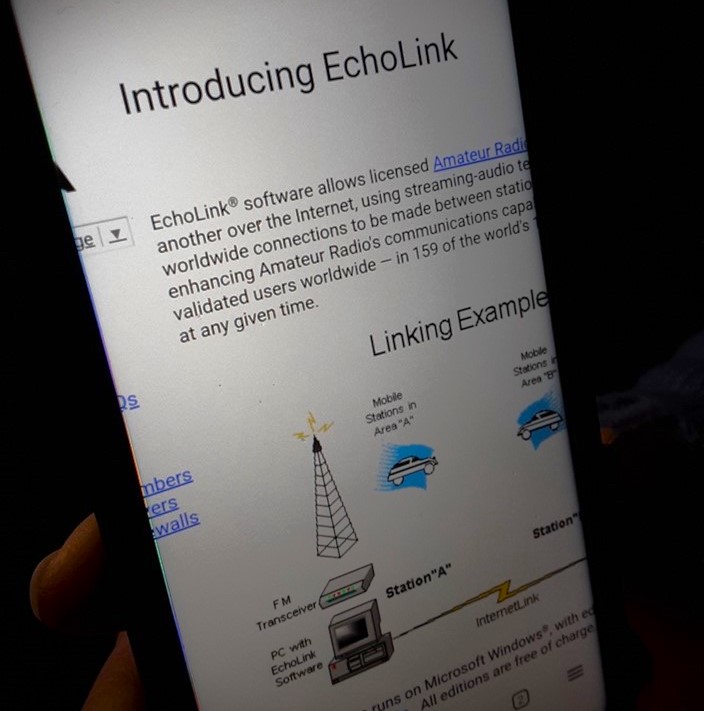
There are a plethora of amateur radio-related apps and resources that make the hobby as a whole, or even subsections of it, more accessible. A cell phone (and an amateur radio license, of course) is all you need to use apps like EchoLink and those that provide access to remote stations, eliminating the need to invest large sums of money into physical equipment to get on the air.
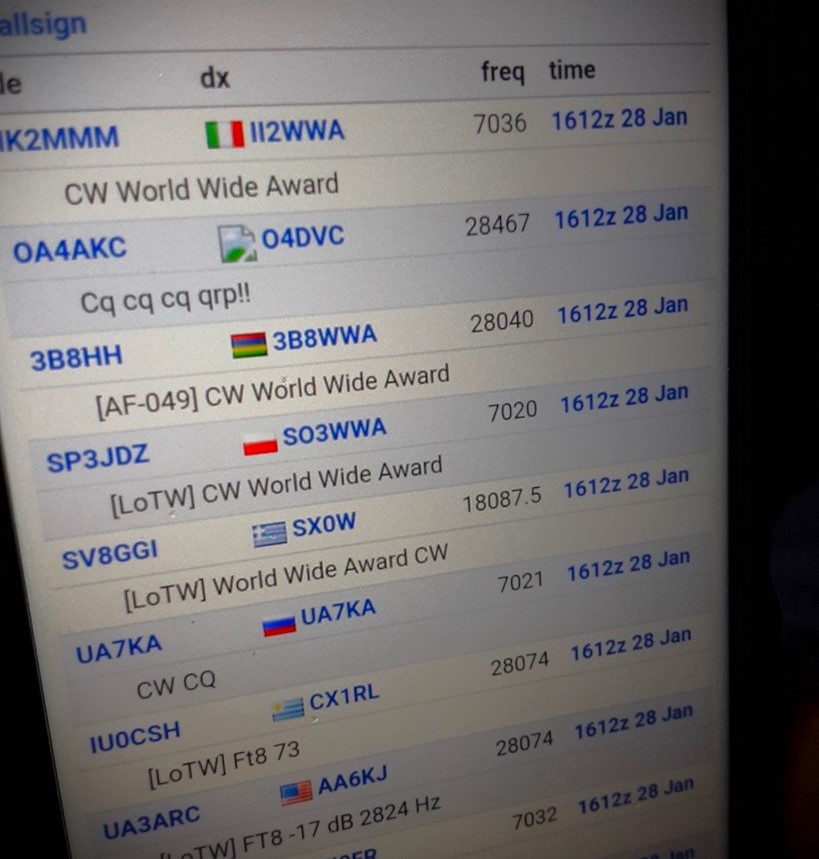
There are also plenty of spotting and cluster apps, most of which now notify you when specific stations, callsigns, or DX entities are spotted.
Additionally, there are apps for those who prefer VHF and UHF operations. These include seemingly endless satellite tracking apps, which have become an integral part of many satellite operators’ setups. Also, repeater directory apps come with the added benefits of portability and efficiency as compared to physical directories.
Finally, if you want to learn Morse code, there are many options to support you in that goal, so you can learn CW Duolingo-style by investing just a few minutes of your time each day.
Apps I’ve Personally Used
EchoLink tops the list for my “longest used” amateur radio apps. I got the app a few months after getting my license so I could check into a youth net. I found the concept to be immensely helpful. It gave me the opportunity to get on the air before I had a solid station at home. The app’s setup process can be somewhat tedious at first, but understandably so—it ensures that its users are all licensed amateur radio operators. However, after overcoming this small challenge, the app opens up a world of possibilities for hams.
It’s no secret that local repeaters typically may not provide you with many conversation partners, but having the repeaters of the entire world at your fingertips can help. A repeater app can also provide a slightly more stable option for those looking to hold a net, particularly if the intended audience reaches outside of a close geographical circle.
While I learned CW in a more “traditional way,” the CW apps I briefly used were enjoyable. Some of them work well as training resources for instant character recognition and for increasing speed after gaining basic knowledge of the alphabet.
Remote Ham Radio does not have an app (though other station remoting platforms do), but it can be used on a cell phone. These platforms allow hams to get on the air without lugging around loads of heavy equipment or having to buy costly gear. This makes the hobby more accessible to young hams who may not have the budget or space for a station at home. It’s also a perfect way to quickly work that DXpedition that is somehow only on the air during family Christmas at your great-aunt’s house—after getting the notification from your favorite spotting or cluster app.
Amateur radio definitely does not replace the cell phone as a form of communication. Both methods have their pros and cons, but they complement each other quite nicely.
If you feel the need to include cell phones in your ploy to get young people interested in amateur radio, there are plenty of ways to do so.

