

There’s a wealth of information to be gained from the wisdom and experience of operators who attend.
***
At first glance, a local amateur radio club meeting may not seem like the most exciting way to spend a free evening. You may hear club members discuss their radios, how their new antennas are working out, their plans for the next contest, how the weather has been, and how the forecast is shaping up.
Two hours of talking and a presentation later, you may wonder why you spent your night at the club meeting and make a mental note that checking into your favorite youth net would have been way more fun. You also may be thinking about the homework that you still have to get done and what you’re doing at school tomorrow.
If you’re a young person involved in amateur radio, this picture might be familiar to you, and understandably so. The first few amateur radio club meetings I attended after getting my license at ten years old were definitely not the most interesting for me. This was because I didn’t know how to take advantage of the resources and opportunities they offered. Now, my local club meetings are one of the highlights of every month, so much so that I’ve attended one or two on Zoom (at quite a late hour) from Germany, where I am currently studying abroad.
For me, club meetings became exceedingly more enjoyable once I realized I could learn something from everyone there…and made an effort to do so. Listening to stories from more experienced hams could help you discover a new aspect of amateur radio, help teach you something that’ll be useful to you later, and connect you with someone who can be your Elmer. And you may just end up enjoying the stories.
Amateur radio clubs structure their meetings differently, but having time to socialize is pretty standard across all groups, so this is definitely an opportunity that you can take advantage of. One local club I attend has ham radio-related presentations every month from a different operator, with topics ranging from how to set up and use Raspberry Pi to a recap of a recent DXpedition. I really enjoy these presentations because even when they’re not covering a topic that I’m very invested in learning about, they still increase my amateur radio knowledge and help me make connections between aspects of amateur radio that I’m familiar with and interested in.
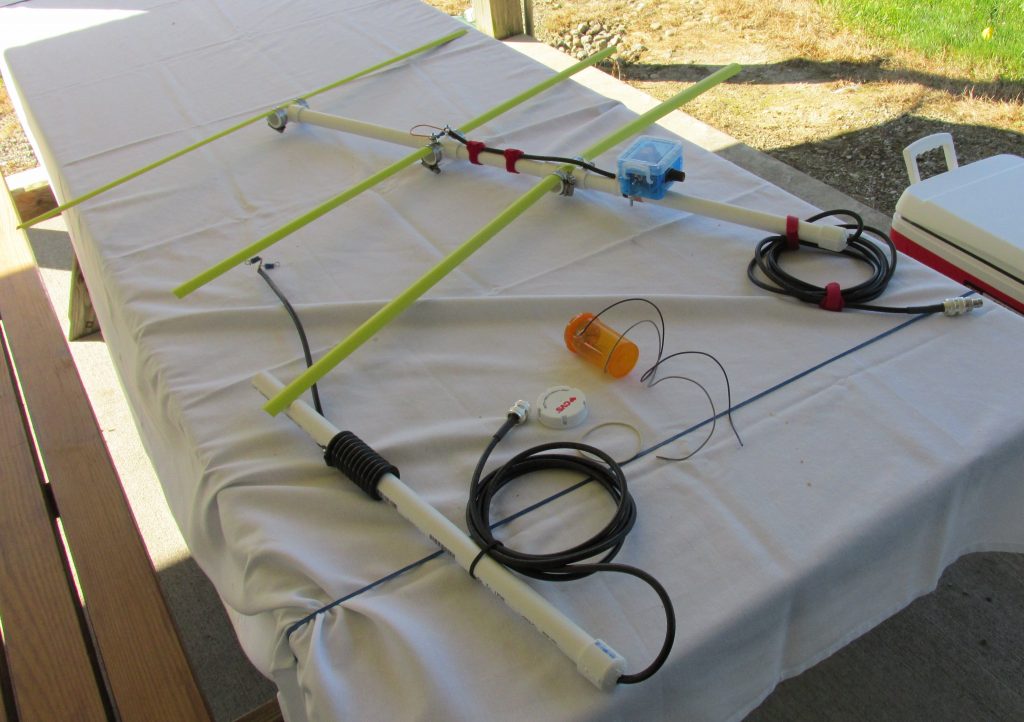
Another club I belong to alternates every month between having a “build meeting” or a “business meeting.” I’ve really enjoyed these meetings as well. A technically skilled club member leads the new build—some of them have been kits (one of my favorites was a Pixie kit for HF CW), and others have been things built from scratch, such as tape measure Yagis, dipoles for HF, and CW keys. These build nights are nice because they give me the opportunity to improve my technical skills with ample help from someone who has had plenty of experience with the project.
It’s helpful to note that there may be more than one amateur radio club relatively close to you, so try a few of them and see which one you seem to “click” with.
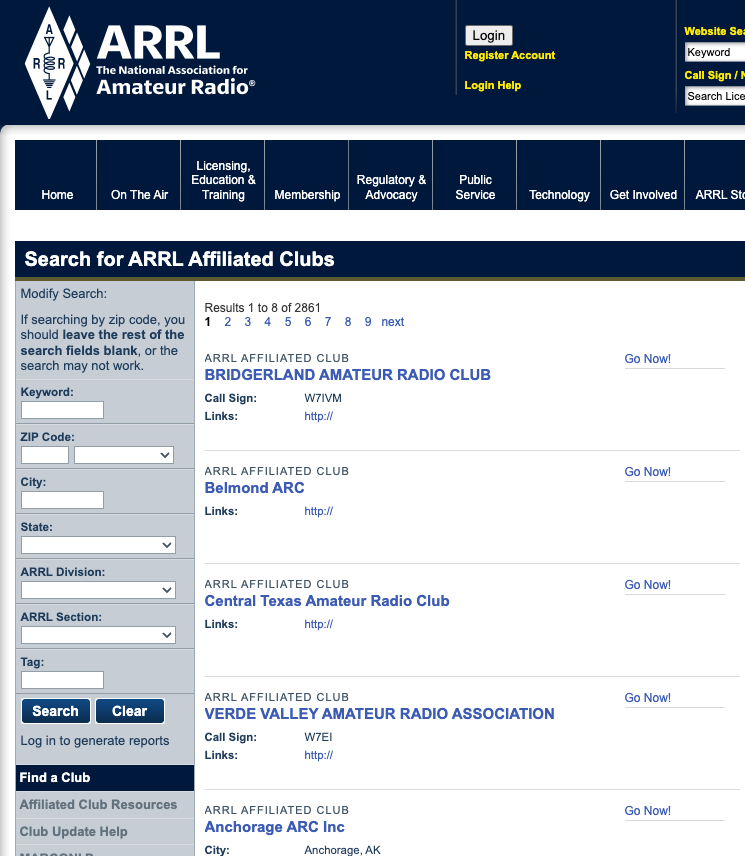
The ARRL makes it easy to find local clubs by entering city, zip code, state, keywords, and other information. (Image/ARRL)
You could also pick a club based on the focus of their meetings. For example, if you’re more interested in contesting, presentations, building equipment, or another aspect of the hobby, choose a club based on their specialty. You can also join larger online groups that have less frequent meetings and specialize in one particular aspect of amateur radio, such as contesting, CW, Raspberry Pi, research, and other topics.
All in all, these clubs are really a great place to learn more about amateur radio and, especially, enjoy the community aspect of the hobby. Once you find a club you enjoy being a part that has a meeting structure you like—and you figure out how to make the most of the meetings—you’ll look forward to attending the meetings every month and leave with a rejuvenated view of amateur radio. You’ll be excited about what you’ve learned and the chance to experiment with something new. That is definitely worth devoting some time to.

